


by Jeff Walkup, VP Sales & Marketing
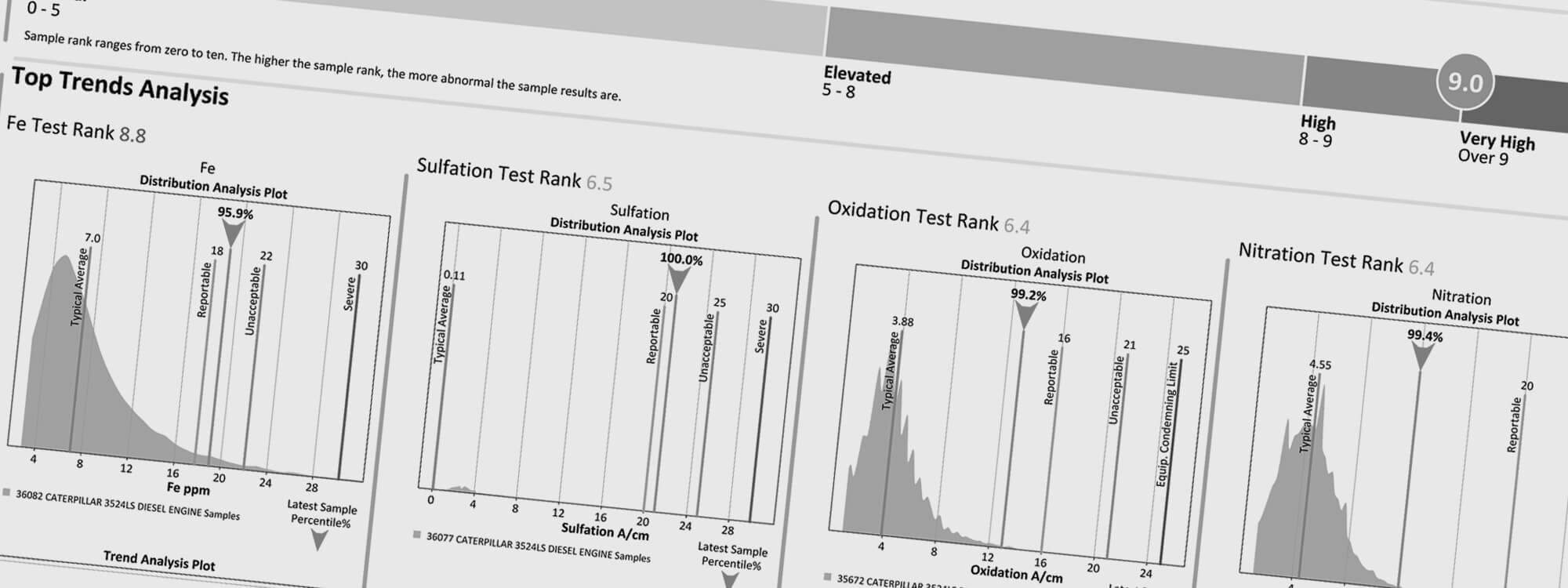
A trap many maintenance and reliability teams fall into is collecting plenty of data and doing too little with it.
They pull samples. Review reports. Hold meetings. Discuss the findings. They may even agree a machine is showing early signs of trouble.
And then not much happens.
That is where an oil analysis program starts to lose value. Oil analysis is not supposed to end with a report in someone’s inbox. It is supposed to lead to action. That may be a field inspection, a filter change, a contamination correction, a resample, a work order, a planned outage decision, or a root cause review.
The report is not the destination. It is the signal. Too often, organizations treat oil analysis as an information exercise rather than an execution tool. They get very good at collecting information and far less effective at turning it into maintenance decisions.
That is not a lab problem. That is not a technology problem. That is a process discipline problem.
The strongest programs are built on response. What happens when the data changes? Who owns the next move? How quickly is it made? Was the issue confirmed? Did the maintenance action work?
A report has no value on its own. Its value shows up only when it changes a decision. Oil analysis is an early warning system, not a trophy. It tells a story early enough that the team still has options. Once that story is understood, somebody has to do something with it.
In the end, good oil analysis does not just identify machine problems. It improves machine decisions. The report is only the beginning of the story. Reliability improves when somebody acts on what the report is trying to say.
Check out our Data Interpretation Process video to learn how to optimize your response to oil analysis results.
Get in touch!
Want to move beyond reports and turn oil analysis into clearer maintenance action? Contact Fluid Life to discuss how our team can help strengthen your program, improve decision-making, and support better reliability outcomes.